Windows and Mirrors
KATHARINE QUARMBY

I was really delighted to be approached to write this book series for YA readers by Sarah Rudd, an editor and publishing developer at Badger Books, as dealing with bullying is one of the things that you come across as a pupil and as a parent. I was also lucky enough to discuss some of the books with our writing group, so thank you to everyone in the group for thoughts!
The series, which was published last month, is called Windows and Mirrors and is a series of six books that I hope will create conversations in schools about some of the prejudices that lie behind certain sorts of bullying. Sadly, we know from research that certain groups can be targeted in particular – though of course nobody is safe from bullying.
I was bullied myself at secondary school, but I’ve also drawn on experiences from family, friends and the wider school community at the school my children attended, as well as experts from the world of the care experienced community, asylum seekers and refugees, young lesbians, disabled children and their parents to create the series. Sarah, my editor, was also keen for us to look at when young people are bullied or targeted because of poverty, so we included that as well.
I hope that the books will help navigate readers through obstacles whilst also signposting how to access help – or be an upstander. I certainly went into the weeds on how bullying can really affect young people (not that it stops there, because bullying in employment is a huge problem too). I was really engaged in exploring how bullying can target individuals in a very cruel way — for characteristics they can’t change, such as wearing glasses, being tall or small (as I was), or coming from a minoritised community.
Children and young people need both “windows” and “mirrors” — windows into worlds and experiences that they may not directly share with others, and mirrors so they can see themselves in books. I hope that these books offer both.
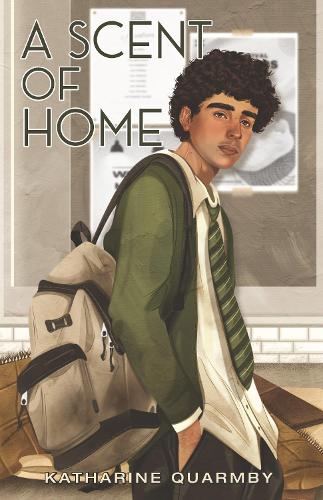
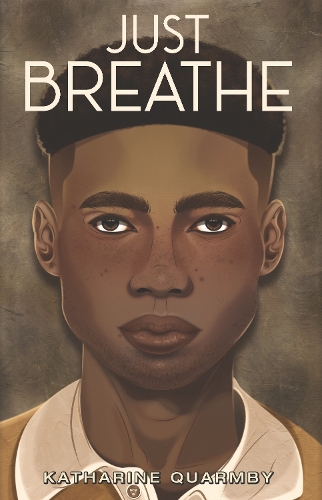

These books are for reluctant readers, or for readers with younger reading ages than their actual age, because lots of young people can find reading challenging, or are catching up because they have come here as refugees, so the reading age is around nine or 10 but the interest age is older. Every book was read and discussed at length with young people and with relevant adults, including adults working with young asylum seekers, foster carers, disabled people, and people working in the care system. This is so that any issues can be addressed during the editing process, although, of course, the final decision and responsibility lies with me.
On a personal level, exploring bullying did take me back to the miserable time when I was badly bullied by a group of girls around the ages of twelve and thirteen. Looking back at old school photos and seeing how weighed down I looked was hard to see, but I also know that I got through that with support from my parents and others. I also could not have written this book series without talking to other young people and adults who had both experienced bullying and found ways, with support, to move beyond it.
I think my favourite characters (sorry, I couldn’t choose one!) are the main characters in Off Pitch and Just Breathe because they are unapologetically themselves and so caring and kind to other people. I also want to give a huge shout-out to my character, Kerry, who appears in a couple of books and is from an Irish Traveller background and is an ally and upstander to people who experience bullying in the books.
I read from an early age, but I really struggled with maths and don’t think I would have managed to get a qualification in maths if my brother, who became a maths teacher, hadn’t helped me to understand it. So, I would say it’s key to seek support, whether from a parent, sibling, teacher or librarian and work with them to find ways to make reading work for you.
To conclude, I hope readers feel that the books shine a light on experiences they’ve seen or been through, whether as being bullied, an upstander, a bystander, or even a bully themselves. That they learn about perspectives outside of their own and gain some understanding about those who are perceived as “different”. If we can celebrate difference instead of fearing it and targeting those seen as different, that would go a long way to challenging bullying such as this.


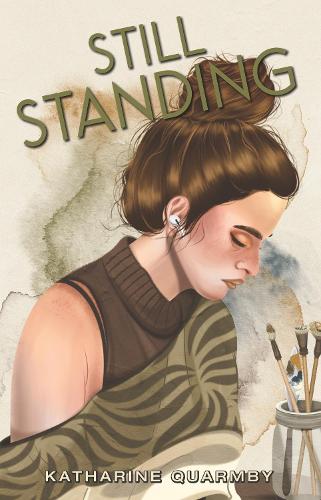
https://www.badgerlearning.co.uk/windows-mirrors-digital-collection.html
 Buzz about Books